Iran has declined to accept the second round of talks in Islamabad even as a two-week fragile ceasefire, which began on April 8, nears its end. United States President Donald Trump had agreed to suspend attacks on the condition that Tehran fully reopens the Strait of Hormuz, and later proceeded to launch a blockade of all Iranian ports.........
Iran has declined to accept the second round of talks in Islamabad even as a two-week fragile ceasefire, which began on April 8, nears its end. United States President Donald Trump had agreed to suspend attacks on the condition that Tehran fully reopens the Strait of Hormuz, and later proceeded to launch a blockade of all Iranian ports.
Iranian Ministry of Foreign Affairs spokesman Esmaeil Baghaei said on Monday Washington had “violated the ceasefire from the beginning of its implementation”, citing the US naval blockade of the Strait of Hormuz since April 13, and the overnight capture of an Iranian container ship by the US military as breaches of the truce as well as international law.
Meanwhile, Israel and Lebanon also agreed on a 10-day ceasefire, starting on April 17, halting the Israeli attacks which have killed more than 2,500 people.
Israel also established in southern Lebanon a “Yellow Line”, occupying the area from the border to the Litani River, and the maritime area adjoining the land.

Which countries have been attacked?
US and Israeli forces launched the war on Iran on February 28, hitting nuclear, military and civilian sites. Iranian forces retaliated, launching attacks on Middle East countries where US troops are deployed, as well as Israel.
Iran launched strikes across all six Gulf Cooperation Council (GCC) members – Bahrain, Kuwait, Oman, Qatar, Saudi Arabia, and the United Arab Emirates – as well as Iraq and Jordan. It also allegedly attacked a military base of the United Kingdom in Cyprus.
On March 28, Yemen’s Houthi rebels attacked Israel with a barrage of ballistic missiles in their first such strikes since the beginning of the US-Israel war on Iran.
Most of these attacks have been intercepted.
How many people have been killed or injured?
Below are the confirmed casualties across countries that came under attack as of Tuesday, 10:30 GMT.
Figures may change due to the evolving situation as more information becomes available.

Iran: 3,375 killed, more than 26,500 injured
At least 3,375 people have been killed in US-Israeli attacks on Iran since February 28, according to Iran’s Ministry of Health. The victims were aged between eight months and 88 years. They included seven infants, 376 children and 496 women.
More than 26,500 people have been injured, including at least 4,000 women and 1,621 children.
Israel: 26 killed, 7,791 injured
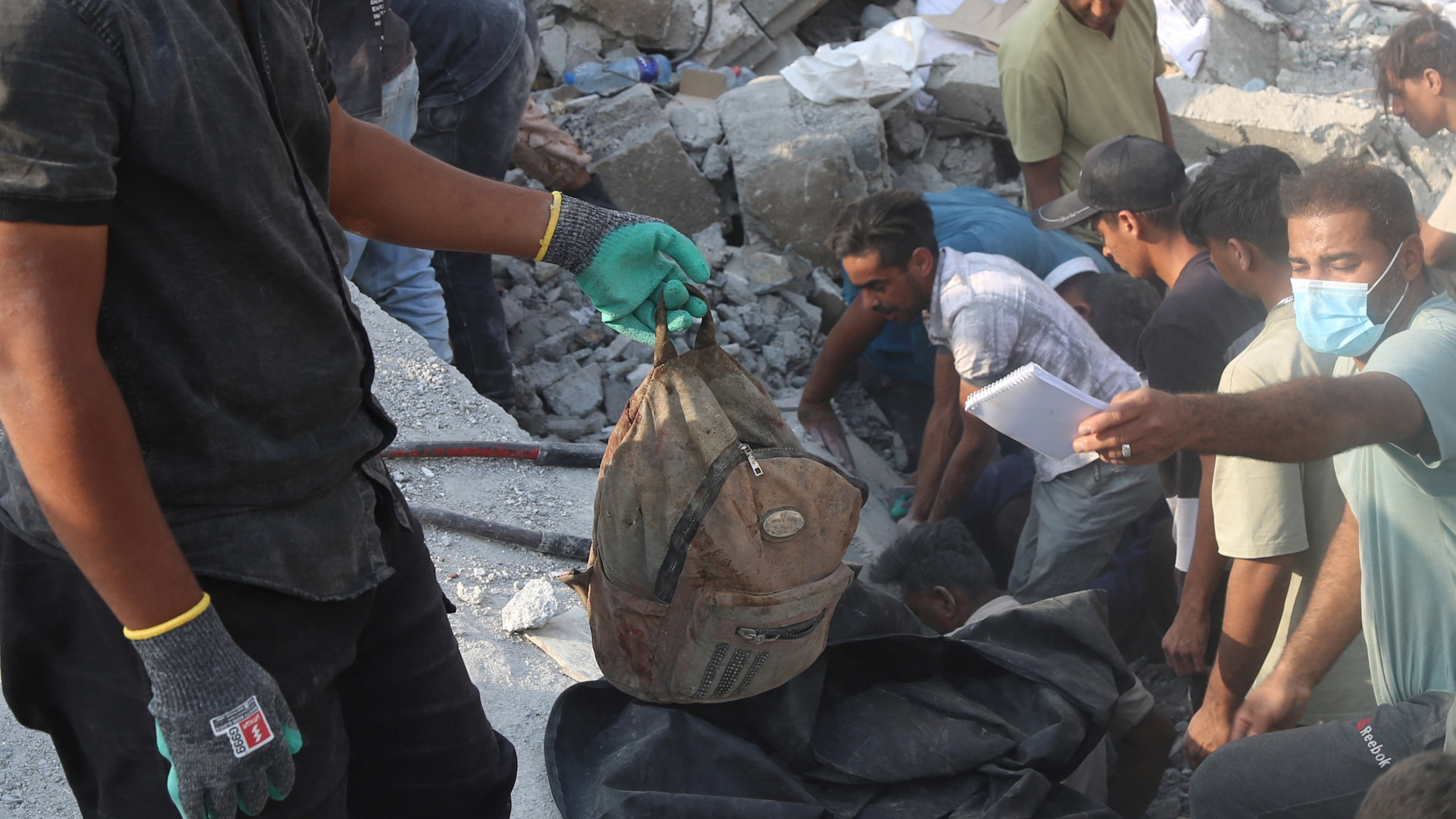
At least 26 Israelis have been killed and 7,791 wounded.
Israel’s Ministry of Health urged people to rush to bomb shelters “with caution” when alerts are sounded, noting that Israelis were also injured while running to shelters.
At least 180 people were wounded in Iranian missile attacks on the southern city of Dimona, home to Israel’s main nuclear facility, and nearby Arad in one of the most dramatic escalations since the US-Israel war on Iran began.
Iranian state television framed the March 21 strikes as a “response” to an attack on the Natanz uranium enrichment complex earlier in the day, marking a stark new phase of tit-for-tat attacks in the conflict.

US: 13 soldiers killed, 200 injured
The US military has confirmed 13 combat-related deaths across the region.
Additionally, one service member died of a “health-related incident” in Kuwait.
On March 13, the US military’s Central Command (CENTCOM), which is responsible for operations in the Middle East, announced all six crew members were killed when a US refuelling aircraft crashed in western Iraq.
Bahrain: 3 killed, dozens injured
Iranian missiles have targeted the headquarters of the US Navy’s 5th Fleet in Bahrain’s Juffair area multiple times.
The Ministry of Interior confirmed that an Asian worker was killed on March 2 when debris from an intercepted missile fell onto a foreign vessel undergoing maintenance in Salman Industrial City.
On March 10, a 29-year-old woman was killed and eight people were injured when a residential building in Bahrain’s capital, Manama, was hit, the Interior Ministry said.
The UAE’s Ministry of Defence said on March 24 that one of its civilian contractors was killed in an Iranian attack on Bahrain. It said the deceased was a Moroccan national.

Iraq: 118 killed, dozens injured
At least 118 people have been killed in Iraq, according to its health authorities. Most of them were members of the Popular Mobilisation Forces (PMF) paramilitary group, some units of which are aligned with Iran.
A French chief warrant officer was killed in an attack in the Erbil area of the semi-autonomous Kurdish region of northern Iraq. “Several” other French soldiers were injured.
A raid on PMF headquarters in the town of Jurf al-Sakhar (now renamed Jurf al-Nasr) southwest of Baghdad killed at least two people.

Jordan: 29 injured
In Jordan, no deaths have been reported. However, 29 people were injured.
On March 30, a woman was injured due to falling debris.
Kuwait: 7 killed, dozens injured
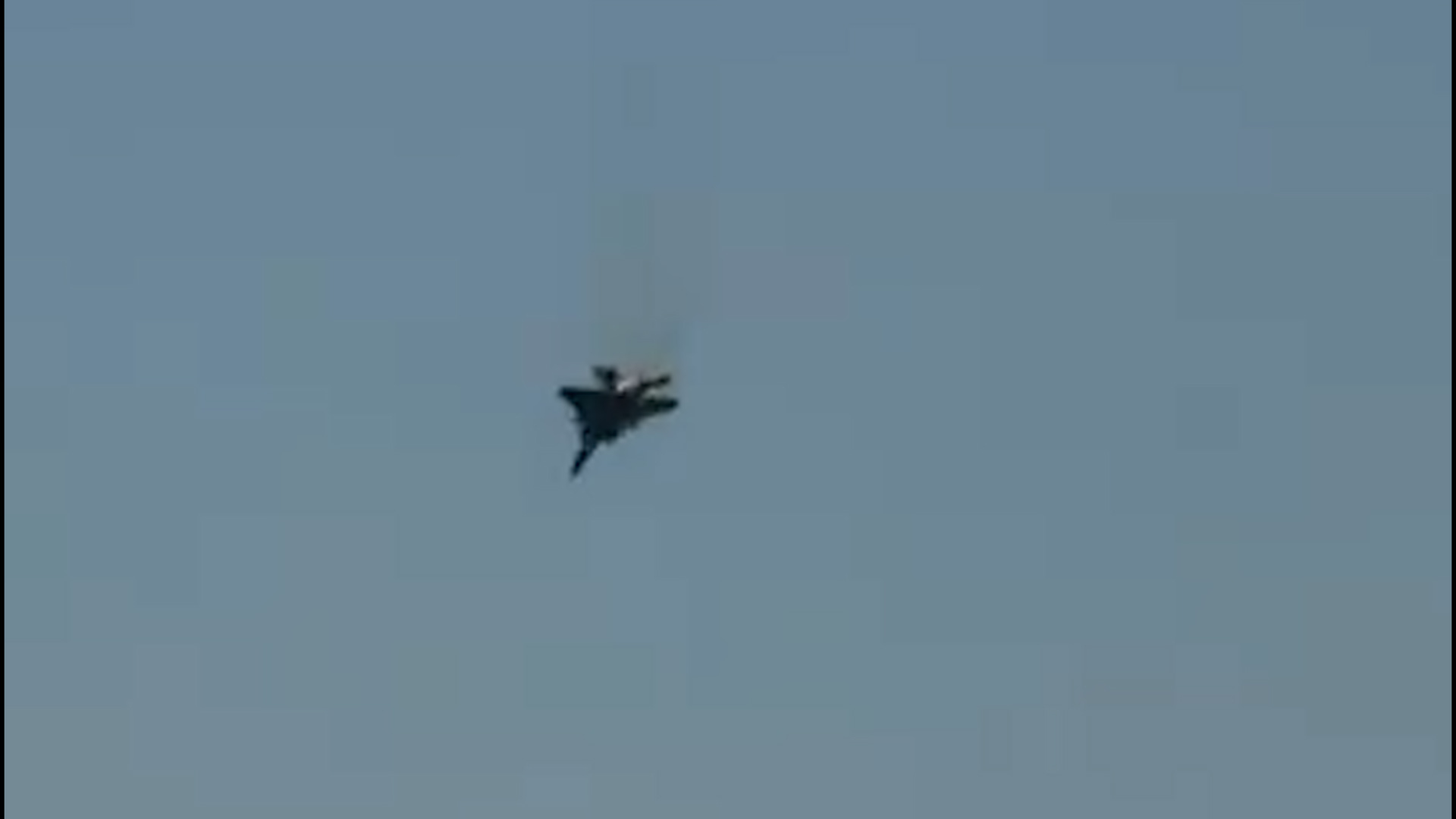
On March 2, Kuwait’s Ministry of Defence said “several” US warplanes had crashed in the country, and all the crews survived. CENTCOM confirmed three F-15 jets were downed in friendly fire from Kuwaiti air defences.
On March 4, the Kuwaiti Ministry of Health reported the death of a girl from shrapnel injuries.
On March 8, the Kuwait Fire Force said two of its officers had been killed “while performing duties”. The statement published on X did not provide details on the circumstances of their deaths.
An Indian worker was killed in an Iranian attack on a power and desalination plant on March 30.
Lebanon: 2,509 killed, 7,755 injured
The number of people killed in Lebanon since Israel renewed widespread attacks on the country on March 2 now stands at 2,509, according to Lebanon’s Ministry of Public Health. Among those killed are at least 177 children.
At least 7,755 people have been wounded.
More than one million people have been registered as displaced since the outbreak of the war.
More than 300 people were killed and at least 1,150 were injured in a single day of attacks across the country on April 8, the day the US-Iran ceasefire was announced.
Israeli attacks have paused because of a ceasefire brokered by Trump.
Oman: 3 killed, 15 injured
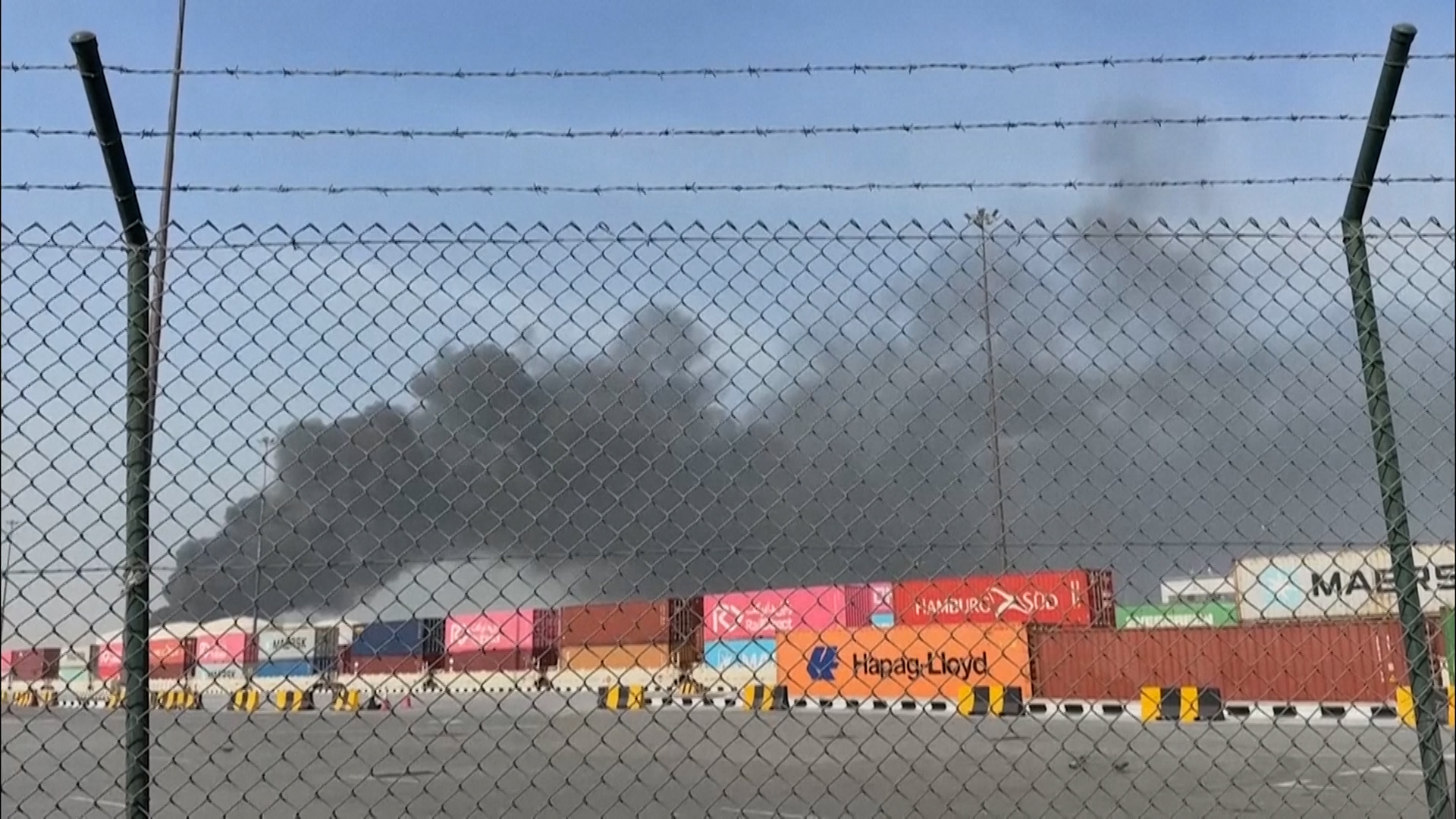
On March 1, the Oman News Agency, quoting a security source, reported two drones had hit the Port of Duqm, injuring one foreign worker.
Later, Oman’s Maritime Security Centre said a Palau-flagged oil tanker was attacked about 5 nautical miles (9km) off the Musandam governorate, injuring four people.
Two people were killed in Oman after the downing of a drone in Sohar in the north.
Qatar: 20 injured
The Qatari Ministry of Interior confirmed that 16 people were injured in the Gulf country on the first day of the war. Most injuries were reported to be from falling shrapnel and debris, with one person seriously hurt.
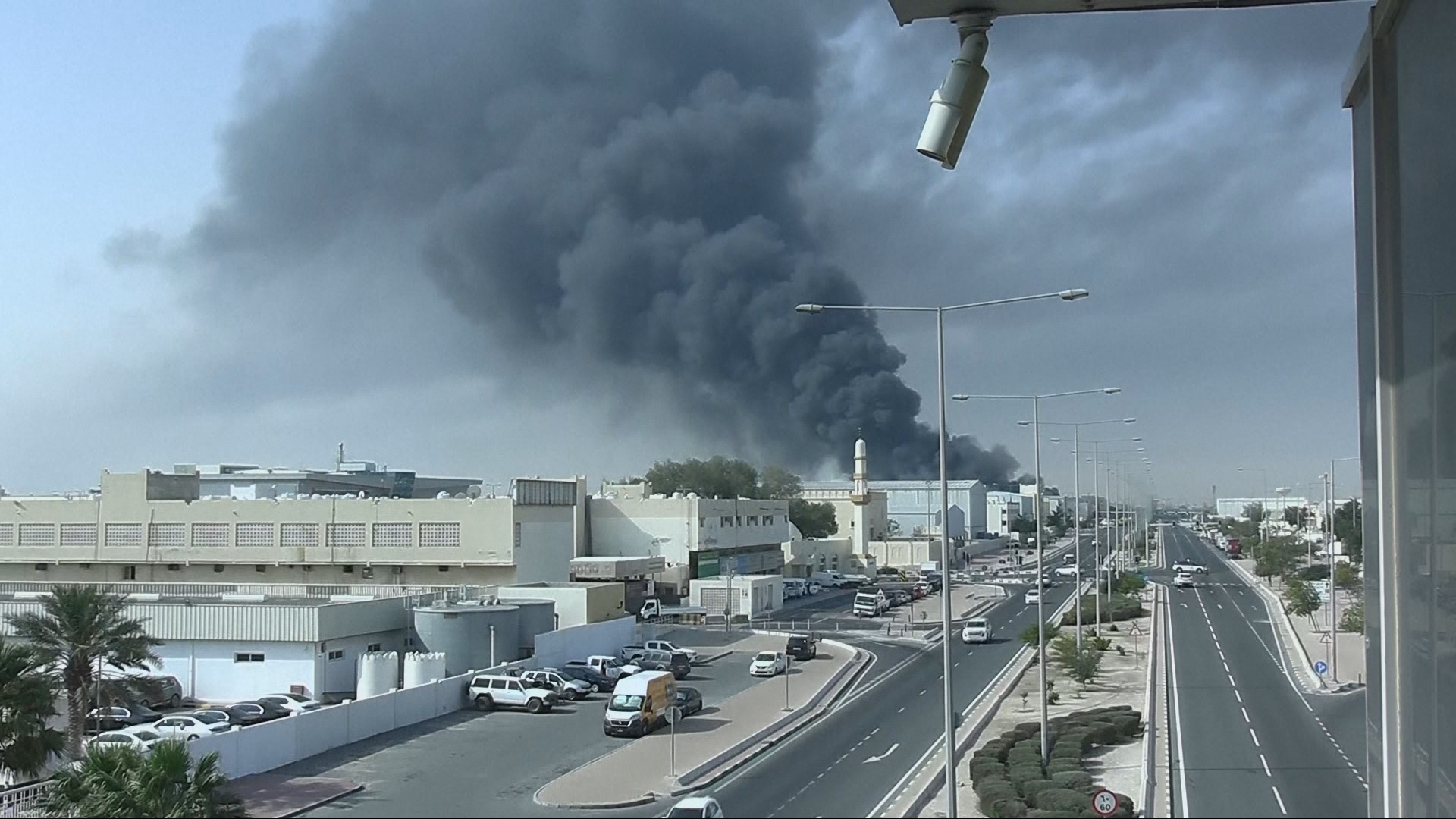
The Qatari Ministry of Defence confirmed that two ballistic missiles struck the Al Udeid airbase, where US forces are stationed, while a drone hit an early warning radar installation.
Shrapnel fell on a house in the Muraikh area of Doha, injuring four people, including a Qatari child.
Saudi Arabia: 3 killed, 29 injured
On March 8, two people were killed and 22 injured, including 12 in the central governorate of al-Kharj, when a projectile fell on a residential area.
Attacks on energy facilities also killed a Saudi citizen working in industrial security and injured seven.
UAE: 12 killed, 224 injured
At least 10 people – citizens of Pakistan, Nepal, Bangladesh, Palestine, India and Egypt – were confirmed killed in the UAE and 224 wounded.
Two UAE servicemen were also killed on March 9 after their helicopter crashed because of a “technical malfunction”, the Ministry of Defence said.
US military presence in the Middle East
The US has operated military bases in the Middle East for decades.
According to the Council on Foreign Relations, the US operates a broad network of military sites, both permanent and temporary, across at least 19 locations in the region. Of these, eight are permanent bases in Bahrain, Egypt, Iraq, Jordan, Kuwait, Qatar, Saudi Arabia and the UAE.
As of mid-2025, there were 40,000 to 50,000 US soldiers in the Middle East, stationed in both large, permanent bases and smaller forward sites.
The countries with the most US soldiers are Qatar, Bahrain, Kuwait, the UAE and Saudi Arabia. These installations serve as critical hubs for US air and naval operations, regional logistics, intelligence gathering and force projection.


Commenti
Posta un commento