Russia’s seaborne oil shipments fell to a three-month low last week as Moscow rushed to reroute shipments following U.S. sanctions on major Russian energy companies, the Kommersant business newspaper reported Friday, citing market analysts.....
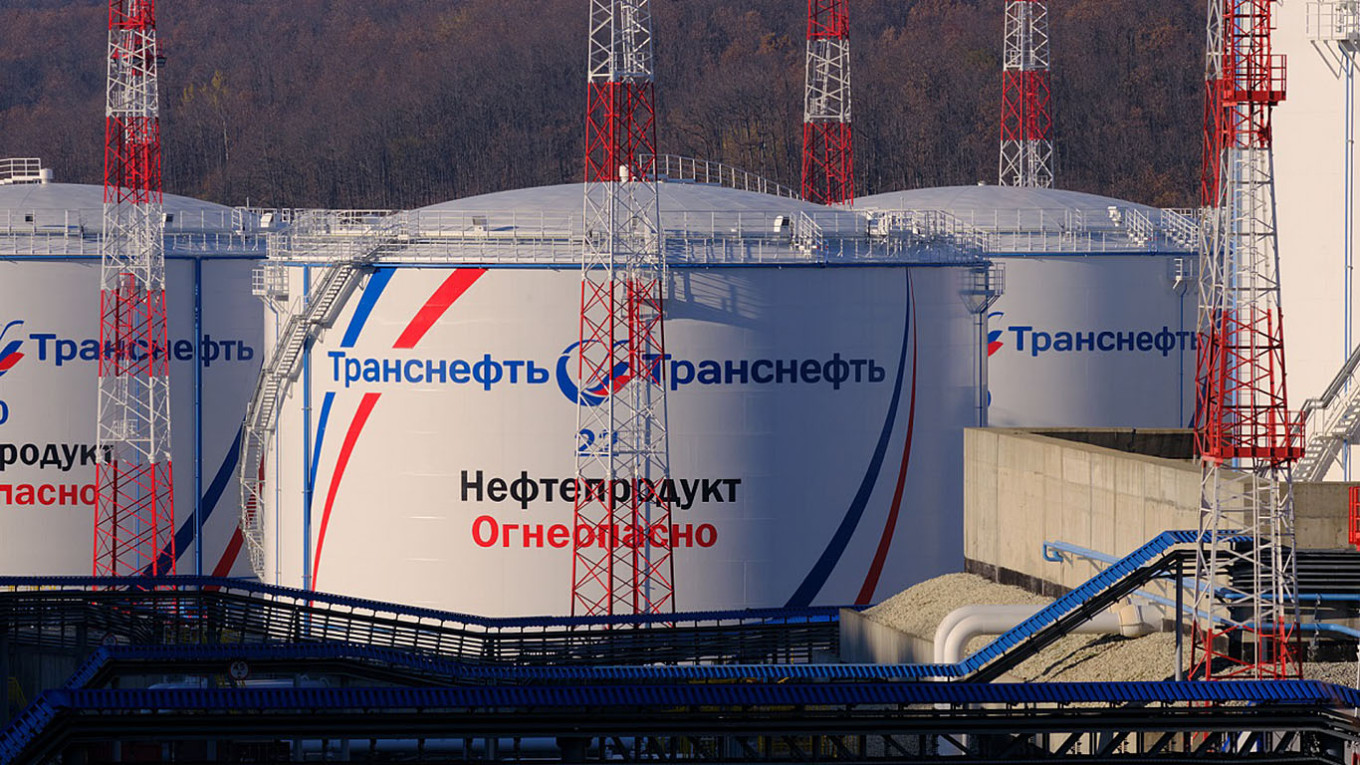
Russia’s seaborne oil shipments fell to a three-month low last week as Moscow rushed to reroute shipments following U.S. sanctions on major Russian energy companies, the Kommersant business newspaper reported Friday, citing market analysts.
The Center for Pricing Indices, a Russian export-pricing agency, said seaborne exports averaged around 320,000 metric tons per day in the week of Nov. 3-9, the lowest level since mid-July. Only 23 tankers reportedly left Russia that week compared to a typical 26-28.
The drop came less than two weeks after the United States imposed sanctions on Russian oil majors Rosneft and Lukoil. However, analysts at the agency say the slump in seaborne oil exports reflects a temporary dislocation in supply chains rather than a collapse in demand.
The U.S. measures allowed shipowners to charge higher “risk premiums” for carrying Russian oil, especially on routes to Turkey, where authorities enforce compliance rules more strictly, according to The Center for Pricing Indices.
Freight costs rose 3.7% week-on-week across most major routes. Despite higher costs, analysts at the agency said the market is not facing an acute tanker deficit and capacity remains sufficient to move current export volumes.
The uptick in freight costs also comes amid Russia’s growing reliance on a so-called “shadow fleet” of tankers, or independent carriers that are less constrained by Western commercial and political pressures.
India’s imports of Russian crude have remained steady despite the shipping route turmoil, with the 3.6 million metric tons supplied between Oct. 27 and Nov. 9 above average September-October levels.
The Center for Pricing Indices forecasts that freight rates will continue strengthening through November as trading activity resumes under the new logistics setup. NEFT Research, a consultancy firm, expects shipping costs to end the month 10-15% higher than before the U.S. sanctions.


Commenti
Posta un commento